Practise with a real decision
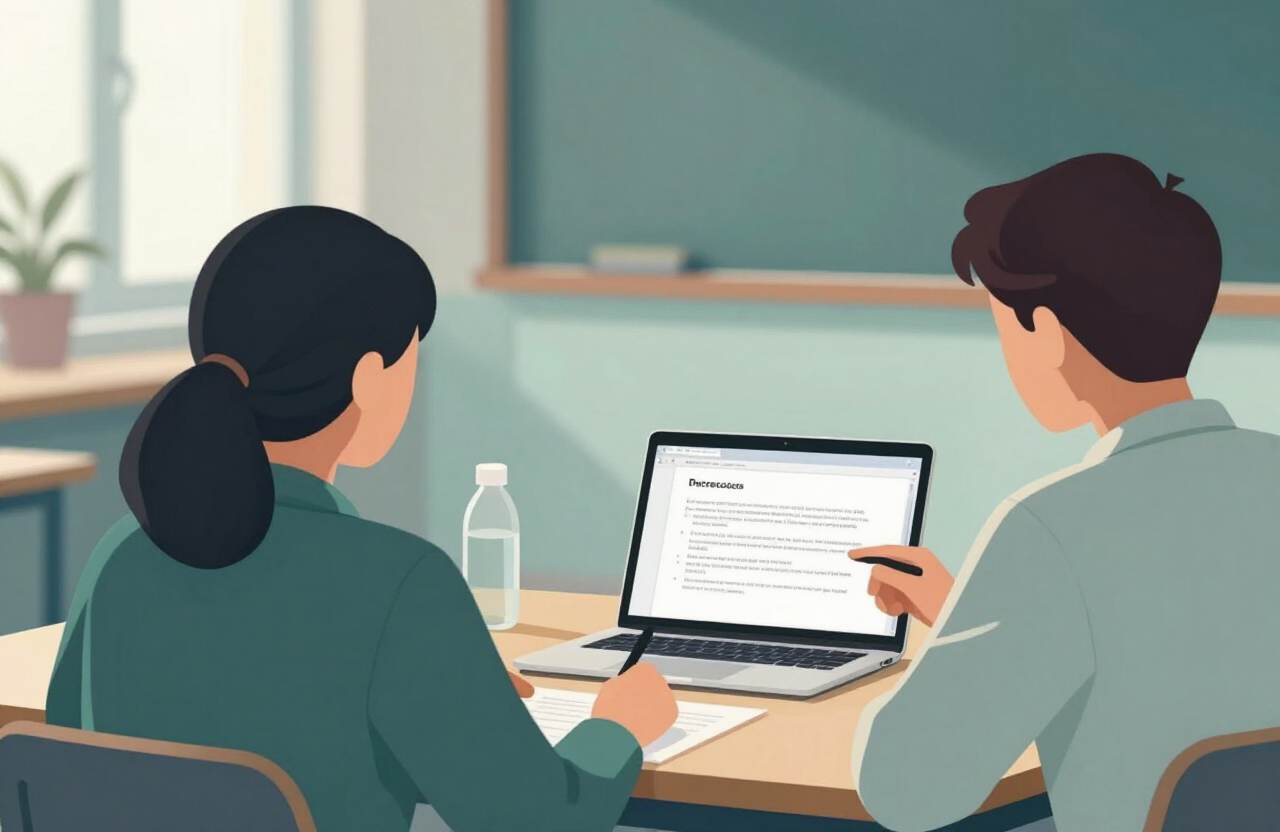
Digital citizenship becomes clearer when pupils must make choices together. Give a group a shared task, such as preparing a short guide to a local place. Before they edit, ask which information is appropriate to publish, which sources need checking and who may view the final document.
Agree on comment rules
Show the difference between “This is wrong” and “Which source supports this claim?” Invite pupils to comment on ideas rather than people and to explain revisions. A teacher can model one useful question, then ask each group to choose a comment they acted on. An edit history can help resolve confusion, but it should not become a public ranking of participation.
Keep people and sources visible
Use public facts and first-hand observations carefully. Do not upload personal contact details, photographs of classmates or stories about another pupil without the school’s agreed process. Ask where an image or claim came from and whether it can be reused. When uncertain, link to the original source and use a different example.
Reflect on the outcome
At the end, ask each pupil to identify one choice that made the shared space safer or more useful. Review a source they changed their mind about. These reflections connect digital behaviour to learning and give the teacher a better basis for the next activity.